Longhorn Fusion file patches for Windows 7

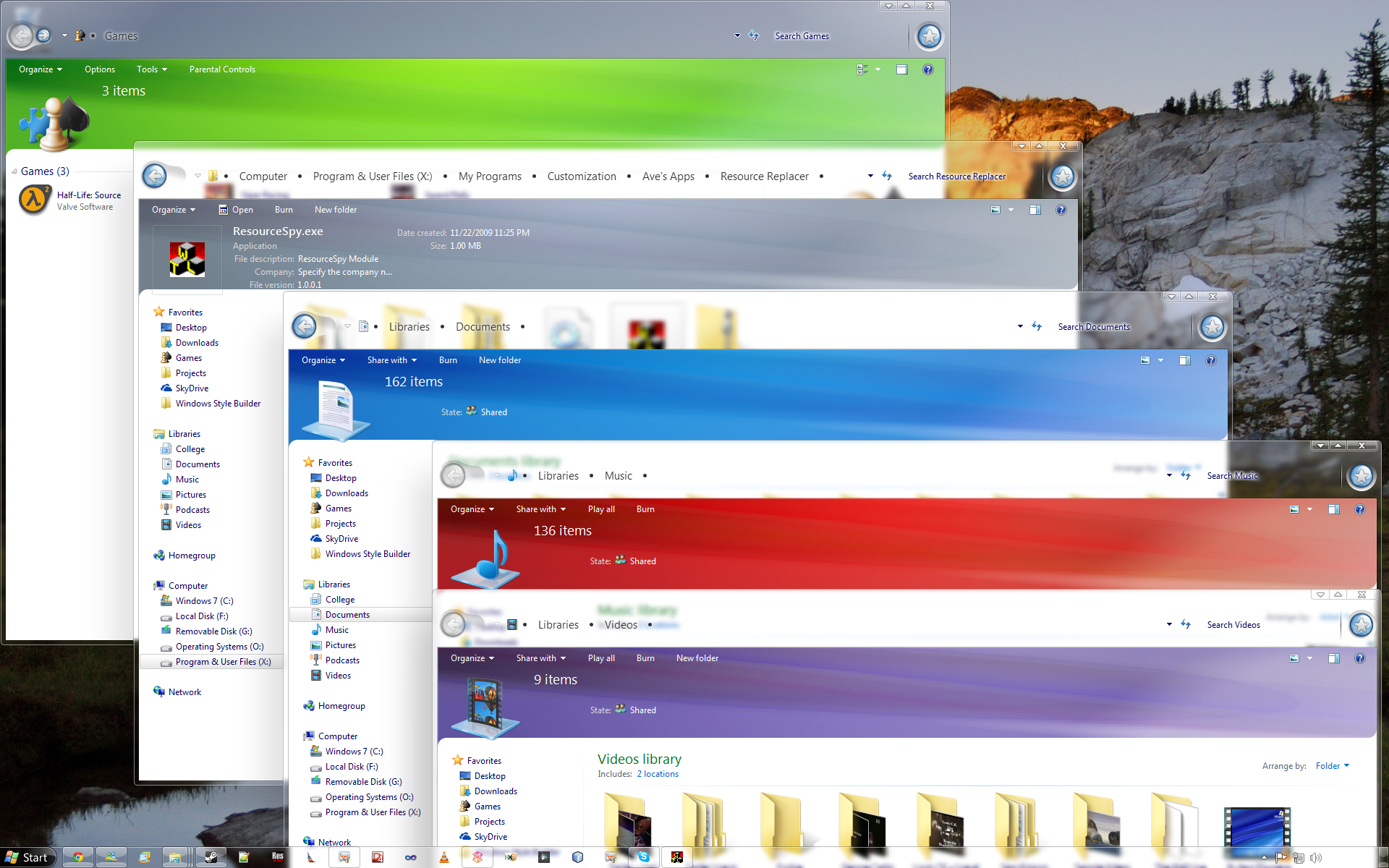
For the Longhorn Fusion project, I created a series of system file patches to help theme Windows 7 closer to the Longhorn look. A common hack back then was to set the the scaling to 97 DPI - this would trigger the larger sizes of the next commonly supported scaling option (120 DPI) but mostly keep fairly close to the 96 DPI sizes. It did still cause several side effects though, and while it (sort-of) worked for navigation buttons, it didn’t for the start button, so I worked on patching the system files to provide the larger sizes directly at 96 DPI.

Read more
Steam Deck: First Impressions

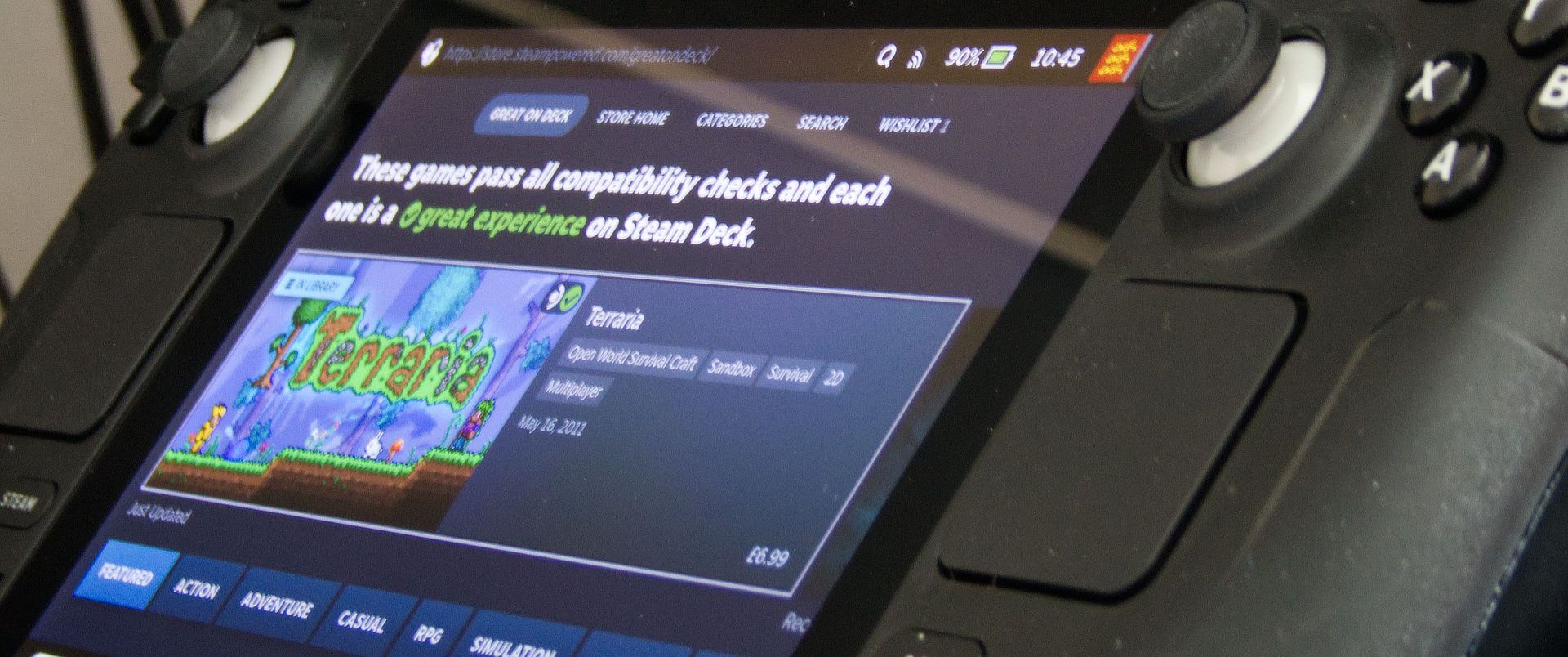
After just under a year of waiting, my Steam Deck finally arrived this week. Having been pretty hyped when it first went on pre-order, I must admit I was in two minds whether I should take up my delivery slot when it came available. In fact, I’m still not sure whether I made the rational decision, at least from a financial point of view, but it’s undoubtedly an interesting device to own. Here’s a round-up of my thoughts on it, now that I’ve had a few days to play around with it.

Read more

Windows IoT 8.1 under VMWare

You can run the Windows on Devices Developer Preview image for the Intel Galileo within a VMWare virtual machine. The easiest way to do this is using the experimental UEFI support – present in Workstation 8 onwards.

Read more

Unlocking a new Start Menu – Chicago Build 73g

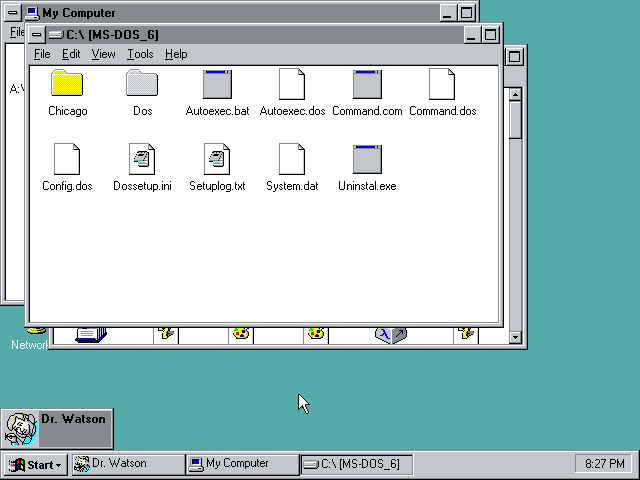
“Chicago” was the internal codename for the Microsoft Windows 95 project. Chicago Build 73g is one of the earliest leaked builds, carrying a date of 2nd December 1993. As such, the User Interface is still some way off what would ship in Windows 95. This build, however, is the first known build to contain resources for the start menu that we’d later see debut in Build 81, and carry on in the same basic form until the new start menu was introduced in Windows XP, and was only removed with the introduction of Windows 7.

Read more

Tutorial: Install any WIM-based Longhorn build from USB

One common problem faced by people installing Longhorn on modern hardware is the apparent inability to boot from USB drives. As optical media grows rarer, and more and more form factors ship without optical media drives, booting from a disc is not always an option. Fortunately, booting Longhorn through USB is a deceptively easy affair once you know what you’re doing.

Read more

ChevronWP7: Now without the sideload limit

It wasn’t long ago that ChevronWP7 was released, finally enabling everyone to take advantage of the Windows Phone 7 platform by running homebrew applications on it. Rafael Rivera said we could expect an update where the standard limit of 10 would be removed, though this sadly was not to be. After discussions, ChevronWP7 was discontinued, in favour of a homegrown homebrew solution from Microsoft.

Read more